

Why Your Posture Matters More Than You Think
Your posture impacts more than just how you look—it can affect your pain, movement, energy, and overall performance every single day.
Posture is something most people don’t think about—until pain starts to show up. At R3 Physio, we regularly treat patients who come in with neck pain, shoulder tension, low back pain, and even headaches, all stemming from poor posture habits. Whether you’re sitting at a desk, scrolling on your phone, or driving, the way you position your body throughout the day has a direct impact on your joints, muscles, and overall function.
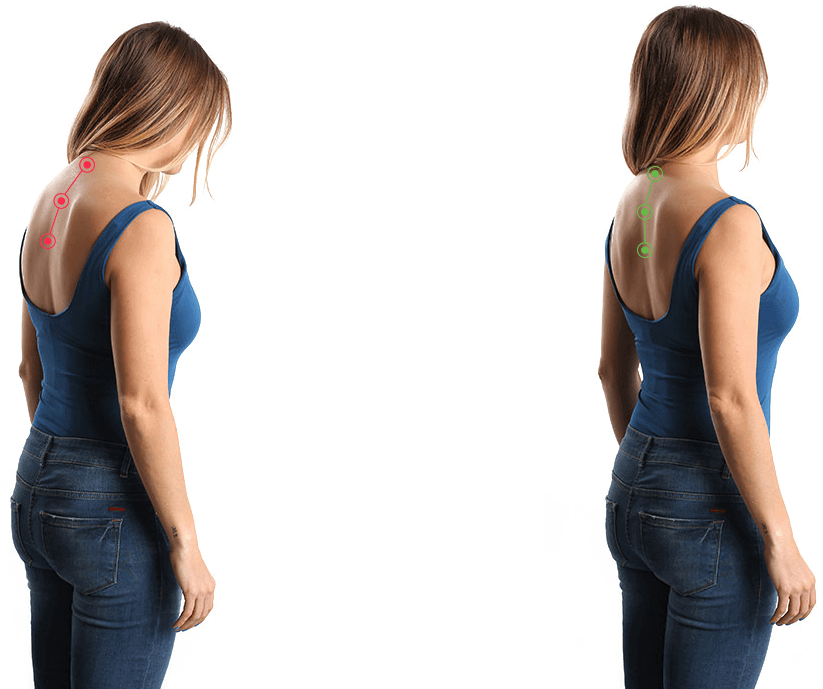
Poor posture—like rounded shoulders, forward head position, and a slouched lower back—places excessive stress on the spine and surrounding muscles. Over time, this can lead to common orthopedic conditions such as cervical strain, herniated discs, rotator cuff irritation, and chronic low back pain. Many patients in Rumson and Fair Haven are surprised to learn that their daily discomfort isn’t from a single injury, but from repeated strain caused by hours of poor positioning. These small habits add up, creating muscle imbalances and joint dysfunction that can limit mobility and performance.
One of the biggest issues with poor posture is that it changes how your body moves. When certain muscles become tight and overactive—like the chest and hip flexors—others become weak and underactive, such as the upper back and core. This imbalance not only contributes to pain but also increases your risk of injury during exercise or daily activities. At R3 Physio, we often see patients from Little Silver and Shrewsbury dealing with recurring injuries because their underlying movement patterns haven’t been addressed.
The good news is that posture is something you can improve with the right approach. Simple changes—like adjusting your workstation, taking frequent movement breaks, and strengthening key muscle groups—can make a significant difference. Physical therapy plays a crucial role in this process by identifying the root cause of your postural issues and creating a personalized plan to correct them. This may include mobility work, strengthening exercises, and postural retraining to help your body move more efficiently.
Ultimately, better posture isn’t just about “standing up straight”—it’s about creating balance in your body so you can move without pain. If you’re experiencing ongoing discomfort or want to prevent future orthopedic issues, addressing your posture is a powerful first step. At R3 Physio, serving Little Silver, Shrewsbury, Rumson, Fair Haven, and surrounding areas, we help patients build stronger, more resilient bodies so they can live and move pain-free.

The Connection Between Sleep and Pain Recovery: Why Rest Is Part of Your Rehab
Better sleep, better recovery, better YOU!
When it comes to recovering from injury, most people focus on physical therapy, exercise, and staying active—but often overlook one of the most powerful healing tools: sleep. At R3 Physio, we regularly see patients dealing with persistent low back pain, shoulder injuries, knee pain, and muscle strains whose progress is slowed simply because their body isn’t getting enough quality rest. Sleep isn’t just downtime—it’s when your body does the majority of its repair work.
During deep sleep, your body increases production of growth hormone, which plays a critical role in tissue repair, muscle recovery, and inflammation control. This is especially important for common orthopedic conditions like rotator cuff injuries, tendonitis, ligament sprains, and post-surgical recovery. Without adequate sleep, your body struggles to rebuild damaged tissue, meaning injuries can linger longer and feel more painful. Patients across Rumson and Fair Haven are often surprised to learn that improving sleep can significantly accelerate their recovery timeline.
Lack of sleep doesn’t just slow healing—it can actually increase pain sensitivity. When you’re sleep-deprived, your nervous system becomes more reactive, making conditions like chronic back pain, neck stiffness, and joint pain feel more intense. This creates a frustrating cycle: pain disrupts sleep, and poor sleep worsens pain. At R3 Physio, we help patients in Little Silver and Shrewsbury break this cycle by addressing both movement dysfunction and lifestyle factors that impact recovery.
Another key factor is positioning. The way you sleep can either support healing or contribute to pain. Poor sleeping positions can aggravate issues like shoulder impingement, hip pain, and spinal alignment problems. Simple adjustments—like proper pillow support, mattress considerations, and positioning strategies—can make a major difference in reducing stress on injured areas and improving overall comfort.
The bottom line is this: recovery doesn’t stop when you leave the clinic. What you do outside of your sessions—including how well you sleep—plays a huge role in your results. At R3 Physio, serving Little Silver, Shrewsbury, Rumson, Fair Haven, and surrounding areas, we take a comprehensive approach to care, helping patients optimize every aspect of their recovery. If you’re dealing with ongoing pain or slow progress, improving your sleep habits might be the missing piece that helps you heal faster and get back to living pain-free.
Is It Normal to Have Pain Every Day? When to Seek Help.
When to seek help for pain.
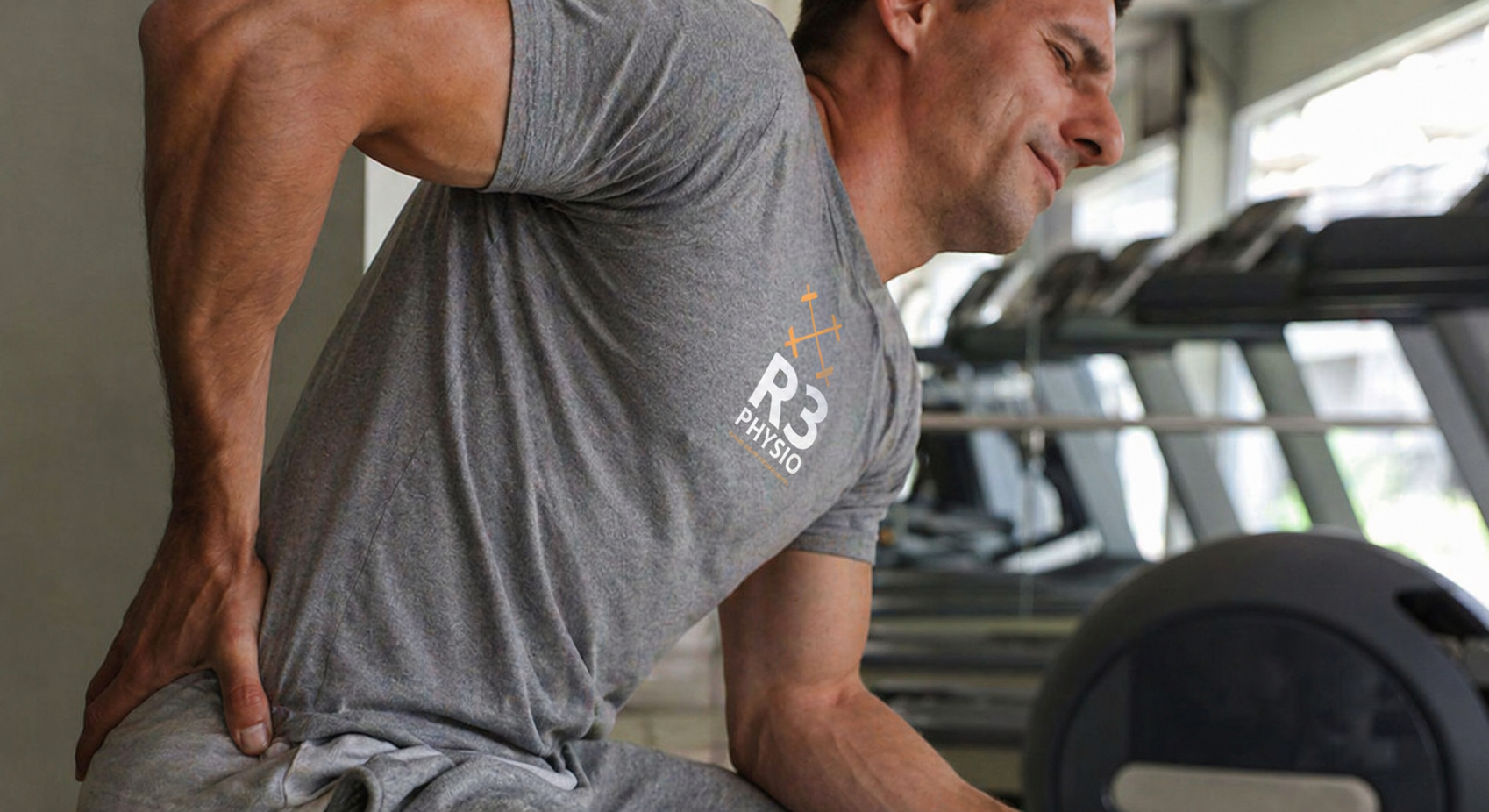
If you’re experiencing daily pain, you might have started to accept it as part of your routine—but the reality is, daily pain is not normal. At R3 Physio, we regularly see patients who have been living with chronic discomfort for months or even years before seeking help. Whether it’s persistent low back pain, neck stiffness, knee pain, or shoulder tightness, these symptoms are your body’s way of signaling that something isn’t functioning properly.
Many cases of ongoing pain are linked to underlying orthopedic conditions such as arthritis, tendonitis, rotator cuff injuries, muscle imbalances, or joint dysfunction. Repetitive movements, poor posture, old injuries, or even sedentary lifestyles can all contribute to these issues. Over time, small problems—like a minor muscle strain or slight mobility restriction—can develop into chronic pain conditions that impact your ability to exercise, work, and enjoy daily life. This is especially common in active communities where people push through discomfort instead of addressing the root cause.
One of the biggest mistakes people make is waiting too long to seek care. The longer pain persists, the more your body adapts—often in ways that create compensation patterns and additional strain on other areas. For example, untreated knee pain can lead to hip or low back issues, and chronic neck pain can contribute to headaches and shoulder dysfunction. At R3 Physio, we focus on identifying these patterns early, helping patients prevent minor issues from becoming long-term orthopedic problems.
Physical therapy offers a proactive and effective solution. Rather than masking symptoms with medication, treatment focuses on restoring proper movement, improving strength, and addressing the root cause of pain. Through a combination of manual therapy, targeted exercises, and movement retraining, patients can reduce pain, improve mobility, and return to the activities they love. Our team at R3 Physio works closely with each individual to create a personalized plan based on their specific condition and goals.
The bottom line: if you’re feeling pain every day, your body is asking for attention—not something to ignore. Early intervention can make all the difference in preventing long-term damage and improving your quality of life. If you’re in Little Silver, Shrewsbury, Rumson, Fair Haven, Little Silver, or other surrounding areas, and dealing with persistent pain, seeking care at R3 Physio can help you move better, feel better, and get back to living without limitations.

How Stress and Anxiety Show Up in Your Body (And What You Can Do About It)
Reduce stress, move better, feel better!
Stress isn’t just something you feel—it’s something your body physically holds onto. At R3 Physio, we frequently treat patients who come in with neck pain, shoulder tightness, headaches, and chronic low back pain, only to discover that stress and anxiety are major contributing factors. When your body is under constant stress, your muscles remain in a guarded, tense state, which can lead to pain, stiffness, and even long-term orthopedic issues.
One of the most common patterns we see is tightness in the upper traps, neck, and jaw, often leading to tension headaches and limited mobility. Stress can also affect breathing patterns, causing shallow chest breathing instead of deep diaphragmatic breathing. This creates further tension through the rib cage, shoulders, and spine. Over time, these patterns can contribute to conditions like cervical strain, shoulder impingement, TMJ dysfunction, and chronic back pain—especially in busy professionals and parents from surrounding communities to our Little Silver clinic.
Stress also impacts how your body recovers from injury. Elevated stress levels can increase inflammation, reduce sleep quality, and slow healing—making orthopedic conditions like tendonitis, muscle strains, and joint pain linger longer than they should. Many patients find that even when they’re doing the “right” exercises, their progress stalls because their nervous system is still in a heightened state.
The good news is that physical therapy can play a powerful role in managing the physical effects of stress. At R3 Physio, we take a whole-body approach—combining movement, manual therapy, and breathing techniques to help calm the nervous system and reduce muscle tension. Simple strategies like mobility work, posture correction, and guided breathing can significantly decrease pain and improve how your body feels day to day.
Ultimately, addressing stress isn’t just about feeling better mentally—it’s essential for physical health and injury prevention. If you’re dealing with persistent pain or tension, it may not just be a physical issue—it could be your body’s response to stress. Working with a physical therapy clinic like R3 Physio, serving Little Silver, Shrewsbury, Rumson, Fair Haven, and many other surrounding areas, can help you break that cycle and get back to moving—and living—pain-free.
How to Avoid Knee Pain While Running or Working Out
Don’t let knee pain hold you back!
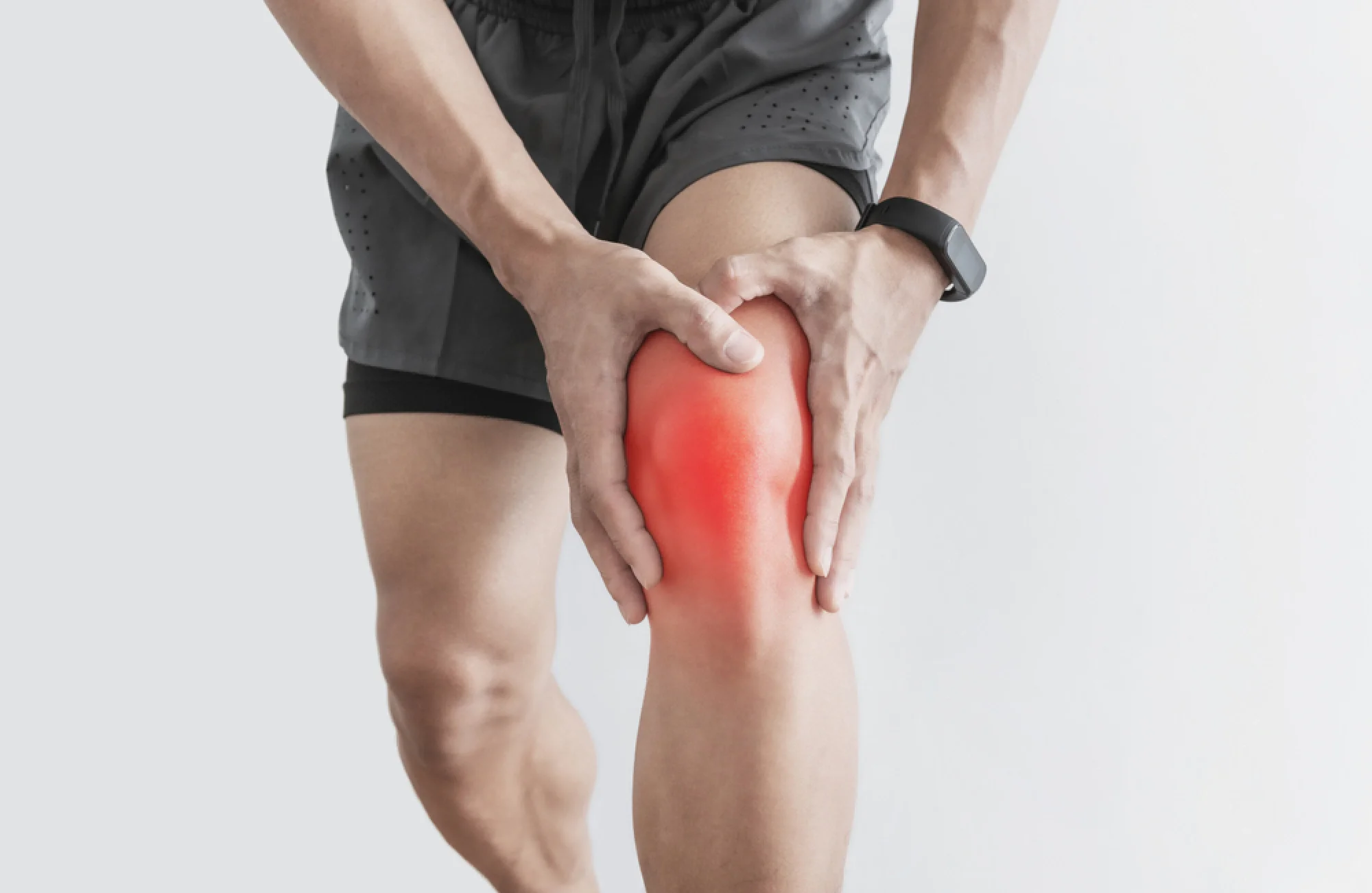
Knee pain is one of the most common orthopedic complaints we treat at R3 Physio. Whether you’re a runner, gym-goer, or just trying to stay active, knee pain can quickly derail your routine. Conditions like runner’s knee (patellofemoral pain syndrome), patellar tendonitis, IT band syndrome, and meniscus irritation are often not caused by the knee itself—but by underlying movement dysfunctions elsewhere in the body.
One of the biggest contributors to knee pain is poor mechanics and muscle imbalances. Weak hips and glutes can cause the knee to collapse inward during movement, placing excessive stress on the joint. Tight muscles—especially in the quads, hamstrings, and calves—can further alter alignment and increase strain. At R3 Physio, we frequently see patients from Little Silver, Rumson, Lincroft, and surrounding towns who have been stretching or resting their knee, but not addressing the real issue: how their body moves as a whole. Without correcting these patterns, knee pain tends to return again and again.
Another major factor is training errors. Increasing mileage too quickly, skipping recovery days, or using improper footwear can all contribute to knee pain. Runners often push through discomfort, assuming it’s “normal,” but this can lead to more serious injuries over time. Listening to your body and adjusting your training plan is key to long-term success and injury prevention.
The most effective way to avoid knee pain is through a balanced approach of strength, mobility, and proper movement training. Strengthening the hips, glutes, and core improves alignment and reduces stress on the knee joint. Mobility work ensures that surrounding muscles aren’t restricting movement. At R3 Physio, we design individualized programs that target these areas while also correcting faulty mechanics—helping patients move better, not just feel better.
Ultimately, preventing knee pain isn’t about stopping activity—it’s about doing it smarter. With the right guidance, you can continue running, working out, and staying active without pain holding you back. If you’re experiencing knee discomfort or want to prevent future injury, working with a physical therapy clinic like R3 Physio can help you build a stronger, more resilient body for the long run.
Warm-Up vs. Stretching
What Your Body Actually Needs to Prevent Injury
What Your Body Actually Needs to Prevent Injury
If you’re an active person, chances are you’ve heard some version of “don’t forget to stretch.” But here’s the truth we see every day at R3 Physio—stretching alone is not enough to protect your body from injury. In fact, one of the biggest mistakes people make before workouts, runs, or even weekend activities is skipping a proper warm-up. This often leads to common orthopedic injuries like muscle strains, ligament sprains, low back pain, and even shoulder injuries like rotator cuff irritation.
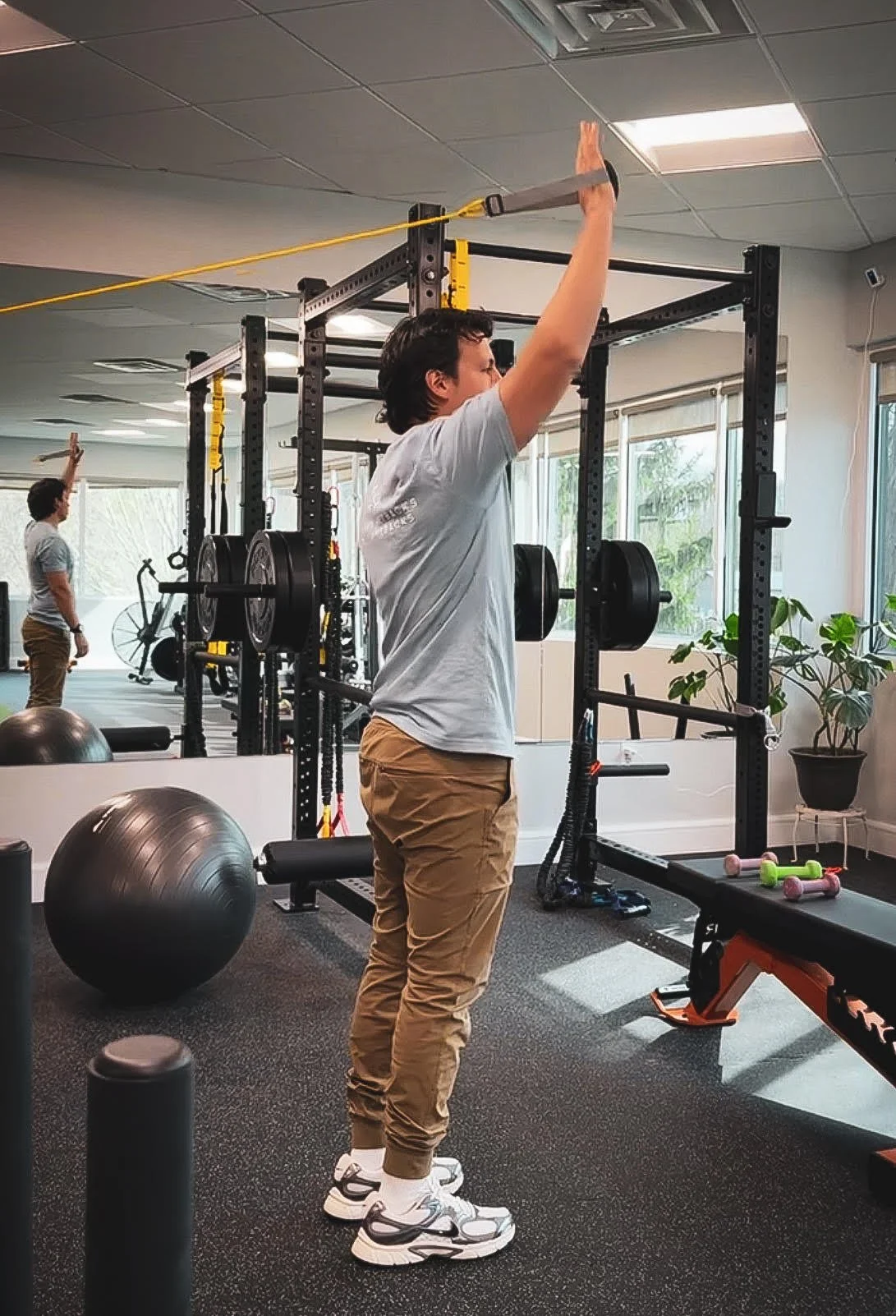
A proper warm-up is designed to prepare your body for movement. It increases blood flow, activates key muscle groups, and improves joint mobility. Dynamic movements—like leg swings, bodyweight squats, arm circles, and light cardio—help your muscles “wake up” and get ready for the demands ahead. Without this step, your body is essentially going from zero to high demand, which significantly increases your risk of injury. At R3 Physio, we regularly treat patients from Little Silver, Rumson, Fair Haven, Lincroft and other surrounding areas, dealing with preventable injuries that could have been avoided with just 5–10 minutes of proper warm-up activity.
On the other hand, stretching—especially static stretching (holding a stretch for 20–30 seconds)—plays a different role. While it’s great for improving flexibility and reducing muscle tightness, it’s most effective after your workout or as part of a recovery routine. Stretching cold muscles before activity can actually reduce strength and performance, and in some cases, increase injury risk. This is particularly relevant for athletes and active adults who are dealing with chronic tightness, tendonitis, or recurring muscle strains.
One of the most common issues we see at R3 Physio is the combination of tight, overactive muscles and weak, underactive ones. For example, tight hip flexors and weak glutes can contribute to low back pain, knee pain, and poor movement mechanics. A proper warm-up activates the right muscles, while targeted stretching afterward helps restore balance. This combination is essential for preventing orthopedic conditions like sciatica, patellar tendonitis, and shoulder impingement.
The bottom line is this: if you want to stay active and pain-free you need both a smart warm-up and a strategic stretching routine. Think of your warm-up as your body’s preparation phase, and stretching as your recovery and maintenance tool. When done correctly, this approach not only improves performance but also significantly reduces your risk of injury.
At R3 Physio, we specialize in helping patients understand how to move better, not just more. Whether you’re dealing with chronic pain, recovering from an injury, or simply trying to stay ahead of potential issues, our team works with you to create a personalized plan that fits your lifestyle. If you’re unsure whether your current routine is helping or hurting you, it might be time to take a closer look—your body will thank you for it.
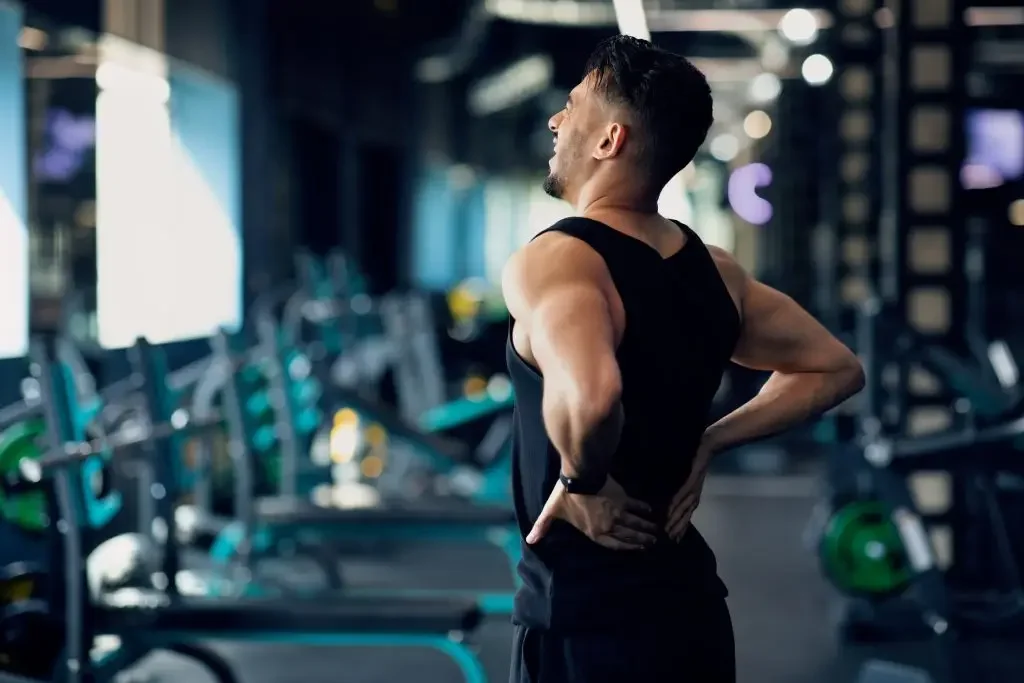
Top 5 Exercises to Prevent Lower Back Injuries
Don’t let back pain hinder your progress.
Lower back pain is one of the most common orthopedic complaints we see here at R3 Physio—and it often starts long before an actual injury occurs. Whether you’re lifting weights, chasing your kids, or simply bending down to pick something up, your lower back is constantly under stress. Without proper strength and stability, this can lead to common conditions like lumbar strains, herniated discs, sciatica, and chronic low back pain. The good news? Many of these injuries are preventable with the right exercise routine.
At the core of lower back injury prevention is building strength in the muscles that support your spine—especially your core, glutes, and hips. When these muscles are weak or not functioning properly, your lower back compensates, leading to increased strain and risk of injury. This is something we frequently see in patients across Little Silver, Rumson, Fair Haven and surrounding towns dealing with recurring back pain or flare-ups after workouts. Incorporating targeted exercises into your routine not only protects your spine but also improves overall movement efficiency and performance.
Here are five of the most effective exercises we recommend at R3 Physio to prevent lower back injuries:
1. Glute Bridges
Glute bridges strengthen the posterior chain, particularly the glutes, which play a key role in supporting the lower back. Weak glutes are a major contributor to low back pain and lumbar instability. By activating these muscles, you reduce the load placed on your spine during daily activities and exercise.
2. Bird Dogs
This exercise improves core stability and coordination while promoting proper spinal alignment. Bird dogs are especially helpful for preventing conditions like herniated discs and chronic low back pain, as they train your body to stabilize during movement.
3. Planks
Planks target the deep core muscles that protect your spine. A strong core helps prevent excessive movement in the lumbar spine, reducing the risk of injuries like muscle strains and disc issues. Patients in Fair Haven and Little Silver often notice significant improvement in back pain after consistently incorporating planks.
4. Dead Bugs
Dead bugs are excellent for building core control and reinforcing proper movement patterns. This exercise helps prevent compensation patterns that can lead to lower back strain, especially during lifting or athletic activities.
5. Hip Flexor Stretches
While strengthening is important, mobility matters too. Tight hip flexors—common in people who sit for long periods in Rumson and surrounding areas—can pull on the pelvis and increase stress on the lower back. Stretching these muscles helps restore balance and reduce strain.
Consistency is key when it comes to preventing lower back injuries. These exercises are most effective when performed regularly and with proper form. Many people unknowingly perform them incorrectly, which can limit their benefits or even contribute to pain. That’s why working with a physical therapist like our professionals here at R3 Physio can be so valuable. A personalized assessment ensures you’re targeting the right muscles and progressing safely.
Ultimately, preventing lower back pain isn’t just about avoiding injury—it’s about building a body that can handle the demands of your lifestyle. Whether you’re an athlete, a busy parent, or someone dealing with recurring back issues, incorporating these exercises into your routine can make a lasting difference. With the right guidance and consistency, you can stay active, strong, and pain-free for the long run.

Hydration, Nutrition, and Healing: The Missing Link in Injury Recovery
Guide to healing.
If you’re recovering from an orthopedic injury in Little Silver, Rumson, Fair Haven, or any other surrounding towns, you’re probably focused on physical therapy, exercises, and getting back to your normal routine. But one of the most overlooked factors that we have noticed here at R3 Physio in regard to recovery is what you put into your body. Hydration and nutrition play a critical role in how quickly and effectively your body heals from common conditions like muscle strains, ligament sprains, tendonitis, and joint pain. Without the right fuel, even the best physical therapy plan can take longer to produce results.
When your body is healing from injuries such as a rotator cuff strain, knee injury, or low back pain, it requires increased nutrients to repair damaged tissue. Protein supports muscle recovery, while vitamins like C and D aid in collagen production and bone health. Proper hydration is equally important—it helps transport nutrients, reduce inflammation, and keep joints lubricated. Dehydration can actually worsen symptoms of orthopedic pain, leading to increased stiffness and delayed healing. Many patients in the Little Silver area are surprised to learn that something as simple as drinking more water can directly impact their recovery timeline.
Inflammation is another key piece of the puzzle. While some inflammation is necessary for healing, chronic inflammation can slow progress and increase pain. Diets high in processed foods, sugar, and unhealthy fats can contribute to this problem, making conditions like arthritis, plantar fasciitis, and chronic back pain feel worse. On the other hand, anti-inflammatory foods—such as leafy greens, berries, fatty fish, and nuts—can support healing and reduce discomfort. For active individuals trying to stay on top of fitness and recovery, these small dietary shifts can make a noticeable difference.
It’s also important to consider how nutrition impacts energy levels and overall performance during physical therapy. When your body is properly fueled, you’re able to move better, recover faster between sessions, and build strength more effectively. This is especially important for those dealing with sports injuries, post-surgical rehabilitation, or chronic orthopedic conditions. Patients who prioritize both movement and nutrition often see faster, more sustainable results.
Ultimately, healing is not just about what happens in the clinic—it’s about what you do every day. Combining the expert physical therapy we provide here at R3 Physio with proper hydration and nutrition creates a powerful foundation for recovery. Whether you’re dealing with knee pain, shoulder injuries, low back pain, etc., taking a holistic approach can help you return to the activities you love with less pain and greater confidence.

How Peptides Enhance Recovery from Orthopedic Injury
Your guide to peptides.
Peptides are gaining traction in the world of health, wellness, and rehabilitation—and for good reason. At R3 Physio, serving Fair Haven, Rumson, Little Silver, and many more, we’re always looking for innovative, evidence-informed ways to support healing and optimize recovery. Peptides, which are short chains of amino acids, act as signaling molecules in the body, helping regulate processes like tissue repair, inflammation, and muscle growth. When used appropriately under medical guidance, certain peptides may complement traditional physical therapy treatments by enhancing the body’s natural healing response.
For patients dealing with common orthopedic injuries such as rotator cuff tears, tendonitis, ligament sprains, and muscle strains, peptides may offer additional support in the recovery process. Some peptides are being studied for their potential to accelerate soft tissue healing, improve collagen production, and reduce inflammation—key components in rehabilitating injuries frequently seen here at R3 Physio, and other physical therapy settings. While physical therapy remains the foundation of recovery, incorporating adjunct therapies like peptides may help patients progress more efficiently when guided by a qualified healthcare provider.
In the context of sports injuries and chronic pain conditions, peptides may also play a role in improving overall performance and resilience. Athletes and active individuals in areas surrounding our location in Little Silver often seek ways to recover faster and prevent re-injury. Certain peptides are believed to support muscle repair, enhance joint health, and even improve sleep quality—all of which are critical factors in achieving optimal outcomes during physical therapy. When paired with a customized rehabilitation program, these benefits can contribute to a more comprehensive and proactive approach to musculoskeletal care.
Nutrition also plays a vital role in how peptides function within the body. Since peptides are derived from proteins, maintaining a balanced diet rich in high-quality protein sources supports natural peptide activity and tissue repair. Here at R3 Physio, we emphasize a holistic approach to healing for patients combining targeted physical therapy, movement strategies, and nutritional guidance to maximize recovery. While peptide therapy is not a standalone solution, it represents an exciting area of advancement that may enhance outcomes for patients recovering from orthopedic injuries.
As research continues to evolve, peptides are becoming an increasingly relevant topic in physical therapy and sports medicine. If you’re dealing with an orthopedic injury in Fair Haven, Rumson, Little Silver, or any surrounding towns, our team is here to help guide you through safe, effective, and personalized treatment options. Whether you’re recovering from a sports injury, managing chronic pain, or looking to optimize your physical health, integrating modern approaches like peptide support with proven physical therapy techniques can help you get back to doing what you love—stronger and more resilient than before.

Desk Job Survival Guide: Stretches to Undo 8+ Hours of Sitting
Don’t let your desk job become a pain in your neck (or back)…
If you work a desk job, you’re likely no stranger to the aches and pains that come with prolonged sitting. Spending hours in a seated position places constant stress on the spine, particularly the cervical (neck) and lumbar (lower back) regions. Over time, this can lead to common orthopedic conditions such as chronic low back pain, cervical strain, herniated discs, and even shoulder impingement. Many patients don’t realize that their daily discomfort is directly tied to their work environment and posture habits.
When you sit for extended periods, your hip flexors tighten, your glutes weaken, and your thoracic spine (mid-back) becomes stiff. This imbalance often results in poor posture—rounded shoulders, forward head position, and increased strain on the neck and upper back. These changes can contribute to conditions like tension headaches, rotator cuff irritation, and nerve-related symptoms such as tingling or numbness in the arms. In active communities like Rumson and Fair Haven, this becomes especially frustrating when desk-related pain starts limiting workouts, parenting, or everyday movement.
The good news is that small, consistent changes can make a big impact. Incorporating simple stretches throughout your workday—such as hip flexor stretches, chest openers, thoracic extensions, and neck mobility exercises—can help reverse the effects of sitting. Standing up every 30–60 minutes, adjusting your workstation ergonomics, and strengthening key muscle groups are all essential steps. Physical therapy clinics, like R3 Physio’s facility, frequently help patients not only relieve pain but also build better habits, ensuring long-term relief from desk-related orthopedic issues.
Beyond stretching, it’s important to understand that movement variability is key to preventing chronic pain. The human body isn’t designed to stay in one position for hours at a time. Alternating between sitting and standing, taking short walking breaks, and even incorporating light strengthening exercises during the day can reduce your risk of developing conditions like lumbar disc injuries or chronic neck pain. Many patients are surprised by how quickly their symptoms improve once they start moving more consistently throughout the day.
If you’re already experiencing symptoms like persistent back pain, neck stiffness, or shoulder discomfort, physical therapy can provide a targeted solution. A personalized assessment completed in a specialized rehab gym or clinic, like R3 Physio’s facility, can identify the specific movement restrictions and muscle imbalances contributing to your pain. From there, a structured plan—including mobility work, strengthening, and postural retraining—can help you feel better and function at a higher level. Addressing these issues early is key to avoiding more serious conditions and maintaining an active, pain-free lifestyle.
Check out our treatment options to learn more about how we help people!

Sports Rehab vs. Regular PT Clinic, Is there actually a difference? (Copy)
Not all PT Clinics are the same…
You may have seen that some PT clinics are labeled as SPORTS REHAB or PERFORMANCE REHAB while others are just plain old Physical Therapy clinics. Let's talk about whether there is actually a difference between them as I believe that it is a common point of confusion amongst the public. Hopefully this helps you decide what kind of clinic meets your needs.
Both regular PT and Sports Performance Rehab PT help people recover from injuries, but they have different focuses and patient groups. Sports rehab is designed for athletes AND/OR active people and targets injuries common in sports, like ACL tears, ankle sprains and overuse injuries like tendonitis. It focuses on restoring performance, preventing future injuries, and improving athletic ability through sport-specific exercises and techniques (dry needling, BFR, ART, etc..) In other words it helps people get back to their sports level of performance, not just become pain free. Physical therapy is broader and helps anyone with movement problems—whether from injury, surgery, or chronic conditions like arthritis. It aims to restore mobility, reduce pain, and improve daily function, often using exercises, manual therapy, and education on healthy movement habits.
The timing, setting, and techniques also differ between the two. Sports rehab usually starts after a sports-related injury and often takes place in specialized rehab gyms or clinics like R3 Physio’s facility , offering one-on-one or small group training. It may include drills, plyometrics, and agility work. Physical therapy can start before or after surgery and is available in hospitals, clinics, or at home, focusing on everyday activities like walking or climbing stairs. While sports rehab mainly serves athletes, physical therapy serves people of all ages and activity levels. Choosing between the two depends on your goals, injury type, and lifestyle—athletes often benefit more from sports rehab, while others may find physical therapy better suited to their needs.
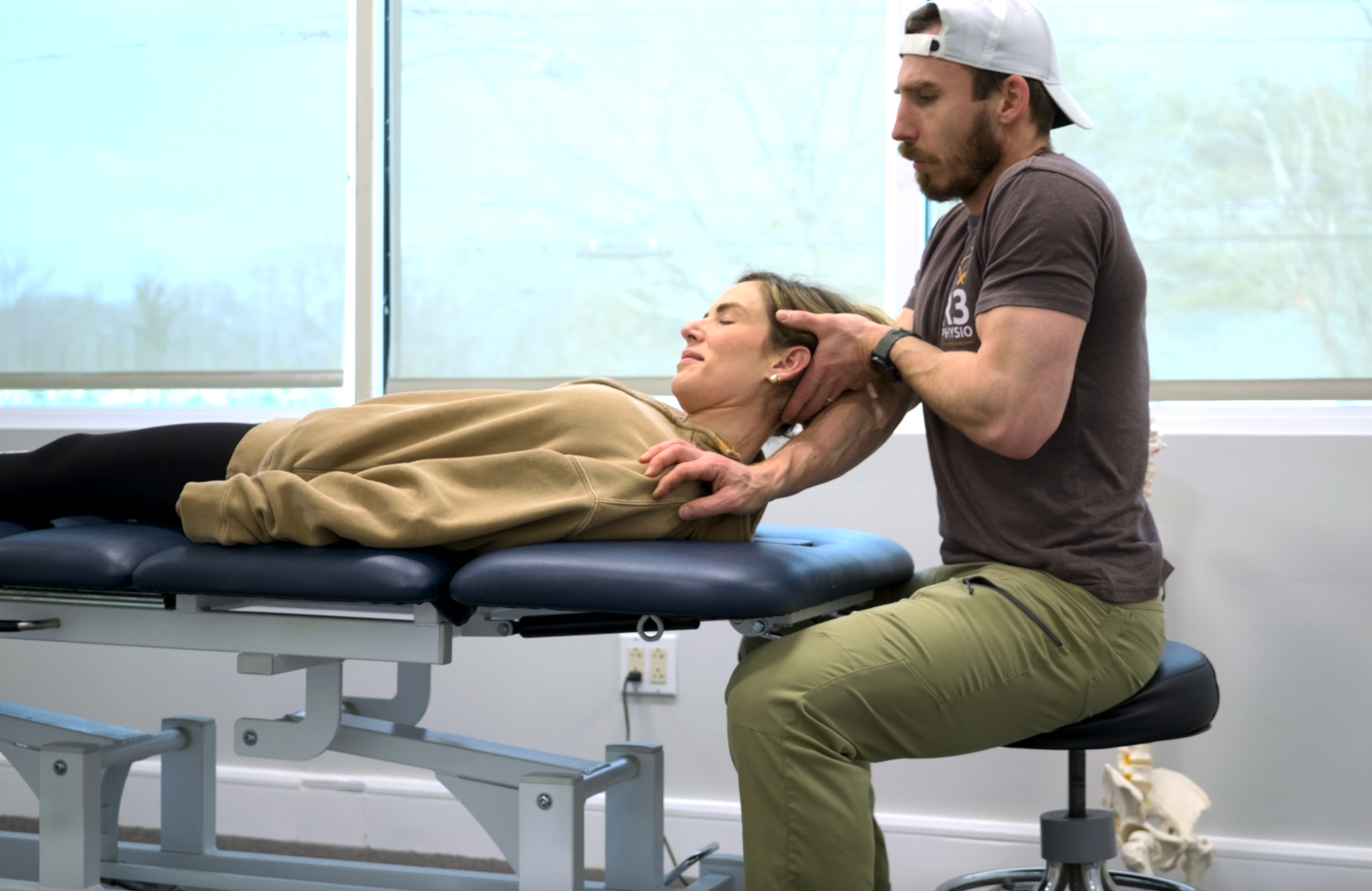
Why Out-of-Network Physical Therapy Often Leads to Better Results
Why is Out of Network PT better?
At R3 Physio of Little Silver NJ, we often meet patients who have already tried traditional, insurance-based physical therapy but still feel like something is missing. A recent experience with a high-school athlete highlighted exactly why the model of care matters so much.
A Recent Example
A local Little Silver high-school athlete recently came to us after spending about six weeks at a large, insurance-based sports PT clinic. He was going regularly and doing what he was told, but something didn’t feel right.
When he described his sessions, a pattern quickly became clear. During his appointments, he was performing many of the same exercises as several other patients in the clinic — including older adults who were there for very different injuries and goals. The exercises were general strength and mobility work, but they never progressed into the things that actually matter for an athlete: power, speed, cutting, and plyometric movements.
Six weeks into rehab, he had done very little that resembled the movements required for his sport.
This isn’t a criticism of the therapists working in those environments. The reality is that insurance-based clinics are often structured in a way that makes individualized progression difficult.
The Insurance Model Creates Constraints
In most insurance-based clinics, therapists are responsible for multiple patients at the same time. A single PT might oversee three or even four people during a session while assistants or aides help guide exercises.
Because of this structure, sessions often rely on standardized exercise programs that can be performed safely in a semi-supervised setting.
For some patients, especially those recovering from routine procedures, this may be adequate. But for athletes or active individuals trying to return to high levels of performance, it often falls short.
Rehabilitation shouldn’t stop at feeling better — it should progress to moving better and performing better.
The Out-of-Network Difference
Out-of-network physical therapy clinics like R3 Physio are structured differently.
Instead of juggling multiple patients, sessions are typically one-on-one with the same physical therapist for the entire visit. This allows the therapist to continuously assess movement, adjust exercises in real time, and progress the program based on how the patient is responding that day.
For athletes, this means rehabilitation can naturally progress through stages such as:
Strength and stability
Dynamic movement control
Plyometrics and power
Sport-specific drills
Return-to-play preparation
Because the therapist is working with only one patient at a time, there’s also the ability to modify the program immediately rather than waiting weeks for the next step.
Individualized Care Matters
No two injuries are exactly the same. Even when the diagnosis is identical, factors like sport demands, training history, movement patterns, and goals should influence the rehab process.
That’s why individualized care is so important.
When physical therapy is structured around one patient, one therapist, and one focused hour, the plan becomes truly tailored to the person in front of us.
The Goal: Not Just Recovery, But Performance
Our goal isn’t simply to help someone get out of pain — it’s to help them return to the activities they care about with confidence.
For a high-school athlete, that means eventually running, jumping, cutting, and competing again. For someone else, it might mean lifting weights, playing pickleball, or simply staying active without limitations.
When physical therapy is designed around individual attention and progressive training, the path back to those activities becomes much clearer.
If you’re currently in physical therapy but feel like your program hasn’t progressed beyond basic exercises, it may be worth exploring a different model of care. Sometimes the difference isn’t the exercises themselves — it’s the time, attention, and progression behind them.

Dry Needling: A Powerful Tool for Pain Relief & Better Movement
Want to learn more about Dry Needling?
In a previous Blog post we posted about how Sports/Performance PT clinics may differ from a traditional PT clinic. R3 Physio, being a Performance PT business, is always looking for safe and effective ways to help our patients get back to sport or active lifestyle as fast as possible! One technique we offer is DRY NEEDLING — a modern, evidence-based approach for treating muscle pain, stiffness, and movement limitations caused by myofascial trigger points (tight, knotted muscle areas) and other musculoskeletal conditions mentioned later.
What Is Dry Needling?
Dry needling uses a thin, sterile mononeedle inserted into or near a trigger point. This stimulates the muscle, encouraging it to release tension, improve blood flow, and reduce both local and referred pain (pain felt in another area of the body). Unlike injections, nothing is added to your body — that’s why it’s called “dry.”
How It Works
When muscles are overworked, they can become oxygen-deprived and acidic, leading to soreness and tightness. Trigger point stimulation with a needle can:
Restore normal blood flow
Reduce muscle tension
Release endorphins (your body’s natural pain relievers)
Some patients feel relief immediately, while others notice improvement after a few sessions.
Conditions We Treat with Dry Needling
Dry needling may be beneficial for:
Joint pain
Tendonitis
Headaches & migraines
TMJ disorders
Whiplash
Carpal tunnel syndrome
Spinal and pelvic pain
Sports-related overuse injuries
What to Expect
Your therapist will review your medical history, assess your needs, and explain the process. You may feel a quick prick as the needle enters, and sometimes a brief muscle twitch — both normal signs the treatment is working. Mild soreness afterward is common and usually resolves within 24–36 hours.
Safety & Training
Dry needling is safe when performed by trained professionals. Side effects are typically mild (temporary soreness or bruising). Serious complications are extremely rare. Our clinicians have been trained in Dry Needling and have been using it for many years and continue to take continuing education courses on an annual basis to ensure they stay sharp and learn new and effective techniques to treat our clients!
Dry Needling vs. Acupuncture
While both use similar needles, acupuncture is rooted in Eastern medicine and addresses a broad range of health issues. Dry needling is grounded in Western medical principles and focuses specifically on treating muscle pain and improving movement.
Is It Right for You?
Dry needling can be a game-changer for many patients — but it’s not for everyone. We’ll help you decide if it’s the right fit as part of your overall physical therapy plan.
Interested in learning more or scheduling a session? Contact us today to see if dry needling could help you move better, recover faster, and live with less pain.

How to Get the Most Out of Your Physical Therapy
Qualities that help improve the success rate of your rehab.
Running an out-of-network performance physical therapy clinic in Little Silver, NJ has shown me something important: clients who invest in their rehab and show up ready to work often recover much faster than those in traditional in-network settings. Why? Because our sessions are one-on-one, tailored to your needs, offer more services like dry needling and are designed to keep you progressing every step of the way.
But here’s the truth—some clients make faster progress than others, and it usually comes down to a few simple habits. If you’re starting (or are already in) rehab, here’s how you can set yourself up for success:
1. Be Consistent
Healing takes repetition. Each PT session builds on the last, so skipping or rescheduling too often can slow your progress. The clients who see the best results are the ones who book their sessions in advance and stick to a regular routine. Think of it like training for a sport—missing practice makes it harder to reach your goal.
2. Bring the Right Attitude
Rehab isn’t always a straight line. You might have good days and some frustrating ones. The key is to stay positive and keep showing up with energy and focus. A strong mindset not only keeps you motivated but also makes the whole process more enjoyable.
3. Speak Up
Your PT can see how you move, but we can’t feel what you feel. If an exercise feels too easy, too hard, or just “off,” let us know! That feedback helps us adjust your plan so you get the right challenge at the right time. The more you communicate, the faster we can fine-tune your program.
4. Do the Work at Home
One to three hours a week in the clinic isn’t enough to fully drive recovery. The real progress happens when you stay committed to your home program. Clients who stick to their exercises—and sometimes even look for extra ways to stay active—tend to heal faster, save money, and get back to doing what they love sooner.
✅ The bottom line: The fastest recoveries don’t come from magic treatments—they come from consistency, a positive attitude, open communication, and commitment inside and outside the clinic.
📅 Ready to get back to your sport or activity pain-free?
👉 Schedule Your Evaluation Today